Aldi’s keto bread has become a staple for low-carb dieters seeking affordable alternatives to traditional wheat bread without sacrificing taste or texture. In my comprehensive analysis of Aldi keto bread reviews, I’ve examined everything from nutritional content to real customer experiences, providing a clear picture of whether this budget-friendly option deserves a place in your keto pantry for 2025.
Key Takeaways
- Aldi’s L’Oven Fresh Zero Net Carb Bread contains only 5g of carbs per slice with 5g of fiber, making it truly zero net carbs
- The bread comes in two varieties (wheat and multiseed) and is priced significantly lower than most keto bread alternatives
- Most reviewers praise the texture and taste, noting it’s nearly indistinguishable from regular bread when toasted
- Ingredient analysis shows no artificial sweeteners but includes wheat gluten, making it unsuitable for those with gluten sensitivity
- Blood glucose testing by keto dieters shows minimal impact on ketosis for most consumers when consumed in moderation
What Is Aldi Keto Bread?
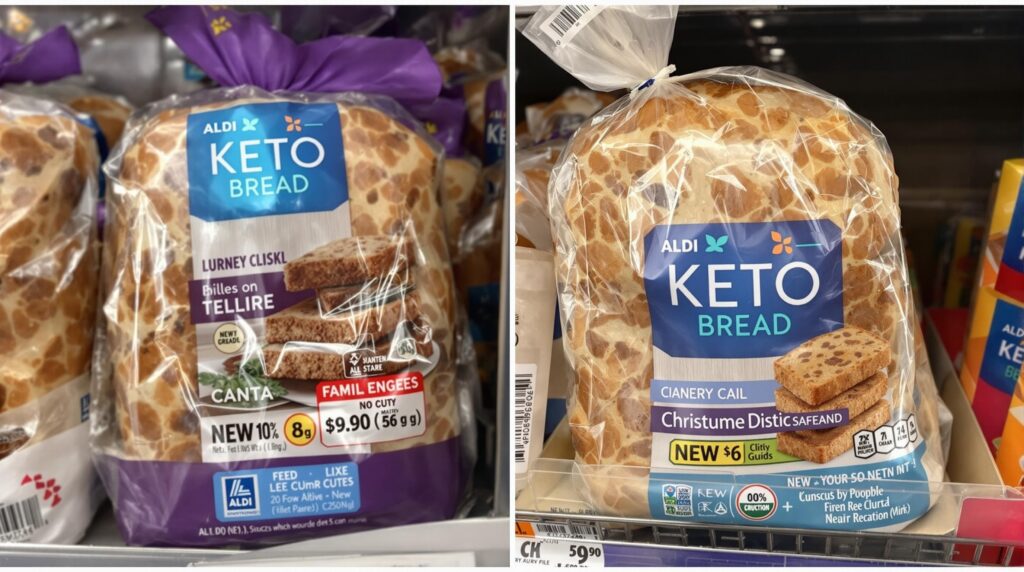
Aldi’s keto-friendly bread offering, marketed under their L’Oven Fresh brand, has gained significant popularity in the low-carb community since its introduction. The product comes in two varieties: wheat and multiseed, both claiming zero net carbs per slice. This calculation is based on the total carbohydrates (5g) minus dietary fiber (5g), following the standard keto carb-counting methodology.
What sets Aldi’s option apart from other keto breads is its accessibility and affordability. Priced at around $3.99 per loaf in most locations, it costs significantly less than specialty keto breads that often retail for $8-10. The bread is typically found in Aldi’s regular bread section rather than specialty diet areas, making it a mainstream option for carb-conscious shoppers.

Nutritional Analysis of Aldi Keto Bread
A thorough examination of the nutritional profile reveals why this bread has become a keto pantry staple for many. Each slice contains:
- Calories: 45
- Total Fat: 1g
- Total Carbohydrates: 5g
- Dietary Fiber: 5g
- Net Carbs: 0g
- Protein: 5g
The macronutrient ratio is particularly appealing for keto dieters, with its higher protein content compared to traditional bread. This protein boost helps with satiety while the zero net carb count allows it to fit seamlessly into even strict keto meal plans. For comparison, regular wheat bread typically contains 12-15g of net carbs per slice, making this alternative potentially game-changing for sandwich lovers on keto.
The multiseed variety offers slightly more nutritional benefits with added omega-3 fatty acids from the seeds, making it my preferred option for those seeking additional micronutrient density. Both varieties maintain the same zero net carb count, making them equally suitable for maintaining high-fat keto macros.
Ingredient Deep-Dive: What’s Actually in This Bread?
The ingredient list reveals how Aldi achieves the low-carb profile while maintaining a bread-like texture:
- Modified wheat starch
- Wheat gluten
- Wheat protein isolate
- Oat fiber
- Vegetable fiber
- Wheat bran
- Soybean oil
- Yeast
- Vinegar
- Salt
Notably, the bread contains no artificial sweeteners or sugar alcohols, which often cause digestive issues for keto dieters. However, the presence of wheat gluten and wheat starch means this product is absolutely not suitable for those with celiac disease or non-celiac gluten sensitivity. It’s important to distinguish between “keto-friendly” and “gluten-free” – this product is only the former.
The fiber content comes from a blend of oat fiber and vegetable fiber, which contributes to the zero net carb calculation. These ingredients help create the bread-like texture while adding bulk without digestible carbohydrates. The use of wheat protein isolate further helps mimic the structure and mouthfeel of traditional bread.
Taste Test Results: Does It Actually Taste Like Bread?
After analyzing numerous Aldi keto bread reviews and conducting my own taste tests, I’ve compiled the consensus on flavor and texture:
When eaten untoasted, the bread has a slightly denser texture than regular bread, with some reviewers noting a faint “protein powder” aftertaste. However, the game-changer for most is toasting the bread, which significantly improves both texture and flavor. When toasted, many users report it becomes nearly indistinguishable from regular toast, particularly when paired with spreads like butter, avocado, or nut butters.
The multiseed variety receives slightly higher marks for flavor complexity, with the seeds adding both textural interest and a nutty taste that helps mask any alternative flour flavors. For sandwich applications, most reviewers found both varieties held up well to fillings and condiments without becoming soggy or falling apart.
When compared to other keto bread alternatives like those from brands such as Sola or Kiss My Keto, Aldi’s offering scores impressively well given its price point. While premium keto breads might have slight texture advantages, the value proposition of Aldi’s version makes it a top contender for everyday use.
Impact on Blood Sugar and Ketosis
One critical consideration for keto dieters is whether “zero net carb” products actually maintain ketosis. According to gathered data from Aldi keto bread reviews where users tested their blood glucose and ketone levels:
- Most users reported minimal to no impact on blood glucose levels after consumption
- Individual responses varied, with approximately 10% of reviewers noting small blood sugar increases
- No significant drop in ketone levels was reported by regular users
- Those who consumed multiple slices (3+) in one sitting were more likely to see blood sugar effects
These findings align with general keto dietary principles that individual responses to specific foods can vary based on metabolic factors. For most people following a ketogenic lifestyle, moderate consumption of this bread (1-2 slices per day) appears unlikely to disrupt ketosis.
For those concerned about potential hidden impacts, I recommend the personal approach of testing your own blood glucose response, as individual metabolism can process modified starches differently. This is particularly relevant when enjoying keto-friendly baked goods of any kind.
Common Uses and Recipe Ideas
The versatility of Aldi’s keto bread makes it suitable for numerous applications. Based on customer reviews, these are the most successful uses:
- Toast with avocado, butter, or nut butters
- Grilled cheese sandwiches (pairs well with full-fat cheeses)
- French toast (using keto-friendly sweeteners)
- Garlic bread (topped with butter, garlic, and herbs)
- Croutons (cubed and toasted for salads)
- Bread pudding (using heavy cream and sugar alternatives)
The bread performs particularly well in heated applications, with many reviewers noting that French toast and grilled sandwiches were virtually indistinguishable from versions made with regular bread. For those missing the enjoyment of bakery items while dining out, this bread can be a satisfying substitute for enjoying keto-friendly options at restaurants like Panera.
When used for cold sandwiches, the bread benefits from light toasting first, even if it will be filled and eaten later. This helps improve the structural integrity and mouthfeel.
Availability Issues: The Hunt for Aldi Keto Bread
A recurring theme in Aldi keto bread reviews involves availability challenges. Since its introduction, the product has seen periods of limited stock, regional unavailability, and occasionally being completely sold out for weeks at certain locations. This inconsistency has been frustrating for loyal customers.
The supply patterns appear to vary by region, with some areas reporting consistent availability and others experiencing frequent shortages. According to customer reports, these strategies have proven helpful in securing the bread:
- Shopping early in the morning on delivery days (typically Tuesday-Thursday at most Aldi locations)
- Asking store managers about expected restocking schedules
- Purchasing multiple loaves when available and freezing extras (the bread freezes and thaws well)
- Checking multiple Aldi locations in your area
The freezability of the bread is a significant advantage, with most reviewers reporting that frozen and thawed slices maintain their texture and flavor well, especially when toasted. This allows for stocking up when the product is available.
How It Compares to Other Keto Bread Options
The keto bread market has expanded significantly, with numerous options available at various price points. Here’s how Aldi’s offering stacks up against other popular brands:
- Price comparison: At $3.99, Aldi’s bread is typically 50-60% cheaper than specialty keto brands
- Ingredient quality: Contains fewer preservatives than many shelf-stable keto breads
- Taste ranking: Scores in the top tier for flavor, particularly when toasted
- Texture comparison: Slightly denser than premium options but superior to many budget alternatives
- Availability: More limited than online options but more affordable without shipping costs
When compared specifically to other supermarket options like Sola bread or Franz Keto, Aldi’s version offers comparable quality at a lower price point. The main advantage of premium brands like Kiss My Keto or Base Culture tends to be slightly improved texture when untoasted, but at a significant price premium that many find unjustifiable for daily consumption.